Collint Billy: A Script Font for Digital Design
In the fast-paced world of web design and UI development, typography is often the first element that communicates brand personality. While clean sans serif fonts dominate body copy for their readability, there is a growing need for expressive typefaces that add warmth, humanity, and visual interest to digital interfaces. This is where Collint Billy enters the conversation. As a fancy handwritten script font, it offers a distinct aesthetic that bridges the gap between professional polish and creative flair. For designers building landing pages, online stores, or personal portfolios, integrating a high-quality script font can significantly elevate the perceived value of a project.
Understanding the Visual Character of Collint Billy
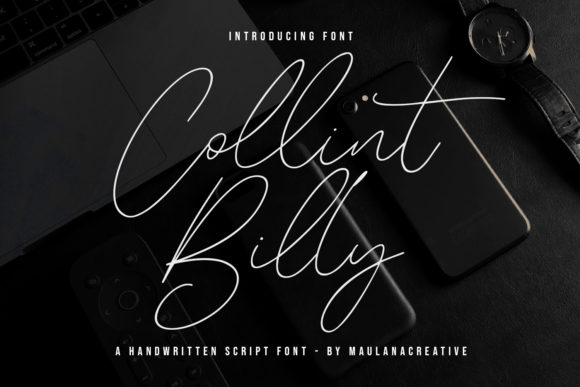
Collint Billy is not just another decorative typeface; it is a carefully crafted tool for modern typography. Its defining feature is the medium contrast in its strokes. This balance is crucial for digital screens. High-contrast scripts often suffer from thin lines disappearing on lower-resolution displays or getting lost against busy backgrounds. Conversely, low-contrast scripts can appear flat and lack dynamic energy. Collint Billy strikes a sweet spot, ensuring that the letterforms remain legible while retaining the organic flow of handwriting.
The font includes fun characters, ligatures, and alternates, which are essential for avoiding the robotic repetition that plagues many digital script fonts. When designing a hero section or a prominent header, these alternates allow you to customize the flow of text, making each composition feel unique and bespoke. This level of detail supports a consistent online identity, ensuring that your brand feels handcrafted rather than templated.
Strategic Placement in Web Layouts
Knowing when and where to use a script font is as important as choosing the right one. Collint Billy is a display font, meaning it is designed to be used at larger sizes for maximum impact. It is not suitable for long-form body text or complex navigation menus. Instead, it shines in areas where you want to capture attention immediately.
- Hero Sections: Use Collint Billy for the main headline on a landing page. Its handwritten nature invites users in, creating an immediate emotional connection.
- Call-to-Action Areas: Short, punchy phrases like "Join Us" or "Get Started" gain personality when rendered in a stylish script, increasing click-through rates through visual appeal.
- Section Headings: Break up long scrolling pages with script headings to create visual rhythm and guide the user’s eye.
- Logo Text: For boutique brands, coaching websites, or creative agencies, Collint Billy can serve as the primary logotype, establishing a memorable brand mark.
For example, imagine a coaching website. The body copy might be a clean, neutral sans serif for easy reading, but the headline "Transform Your Career" in Collint Billy adds a personal, mentor-like touch. Similarly, on a product landing page for handmade goods, using this font for product names or limited-edition banners reinforces the artisanal quality of the items.
Readability and Responsive Design Considerations
One of the biggest challenges with script fonts in web design is maintaining readability across devices. Collint Billy’s medium contrast helps, but designers must still apply best practices for responsive layouts. On mobile screens, ensure that the font size is large enough for the intricate details of the handwritten strokes to remain clear. Avoid using all-caps with script fonts, as this disrupts the natural connecting lines and reduces legibility.
When placing text over images, such as in banner ads or social media graphics, contrast is key. Collint Billy performs well on both dark and light backgrounds, but you must ensure sufficient color contrast. If placing the font over a busy photograph, consider adding a subtle drop shadow or a semi-transparent overlay to help the letters stand out. This ensures that the aesthetic appeal does not come at the cost of user experience.
Effective Font Pairing for Brand Identity
A script font rarely works in isolation. To create a balanced and professional digital presence, you must pair Collint Billy with complementary typefaces. The goal is to create a hierarchy where the script font acts as the accent, and the supporting font handles the informational heavy lifting.
The most reliable pairing is with a geometric or humanist sans serif font. The simplicity of a sans serif provides a clean canvas that allows the curves and loops of Collint Billy to pop without competing for attention. This combination is ideal for SaaS founders and tech startups who want to appear approachable yet modern. Alternatively, pairing it with a classic serif font can create a more editorial, sophisticated look, suitable for fashion blogs, luxury online stores, or wedding planning services. The key is to maintain distinct weights and styles to avoid visual clutter.
Licensing and Technical Implementation
For professional web designers and digital product creators, understanding licensing is non-negotiable. Collint Billy is a premium font, and using it in commercial projects requires the appropriate license. Whether you are designing for a client’s online store, creating digital templates for sale, or building a corporate website, ensure you have the rights for webfont usage. Most premium font providers offer specific web licenses that allow you to embed the font via CSS, ensuring it renders correctly across browsers.
Before launching a project, check the included file formats. You will typically need WOFF and WOFF2 files for optimal web performance. These formats are compressed and load quickly, which is vital for maintaining good page speed scores—a critical factor for SEO and user retention. Additionally, verify if the font package includes multilingual support if your target audience spans different regions. The availability of alternates and ligatures should also be tested in your design software to ensure you can access the full creative potential of the typeface.
In conclusion, Collint Billy is more than just a decorative element; it is a strategic design asset. By understanding its strengths in visual hierarchy, pairing it wisely with functional sans serif or serif fonts, and implementing it with technical precision, you can create digital experiences that are not only beautiful but also effective. Whether you are refining a brand identity or launching a new landing page, this handwritten script font offers the perfect blend of fun and professionalism to engage your audience.